
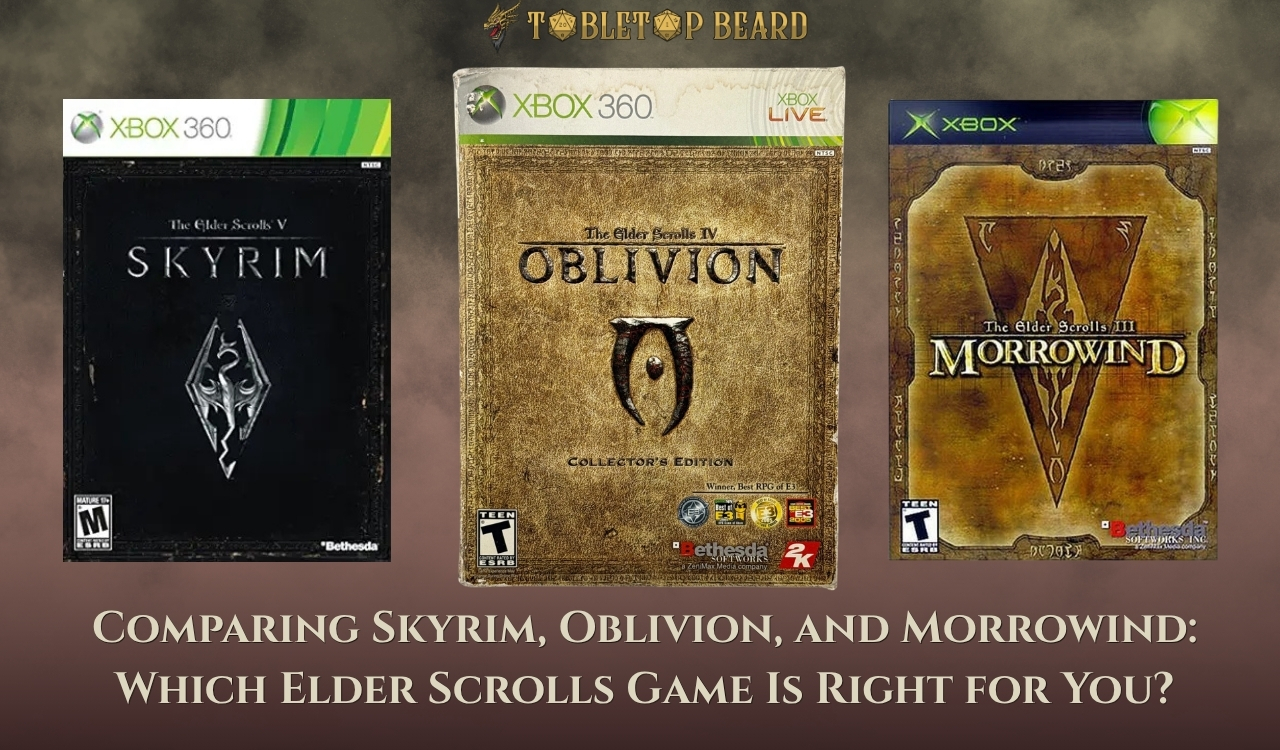
Exploring the unique qualities and enduring magic of three legendary RPGs
The Elder Scrolls series has long been a cornerstone of open-world role-playing games, with each game building upon its predecessor in innovative ways. The three most iconic releases—Morrowind, Oblivion, and Skyrim—have captivated millions with their vast worlds, deep lore, and freedom of exploration. But what makes each of these games special? Let’s dive into their strengths and differences and help you choose which adventure to embark on today.
World-Building and Atmosphere
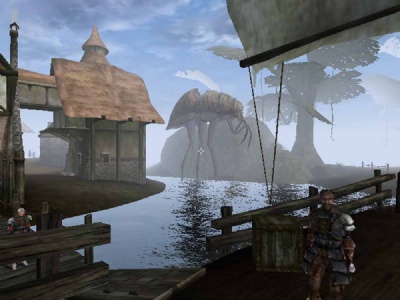
Morrowind (2002) is renowned for its alien world and dense lore. Set on the volcanic island of Vvardenfell, Morrowind offers a setting unlike any other RPG—think giant mushroom forests, insectoid architecture, and an atmosphere steeped in mystery. The game’s open-ended exploration and lack of handholding make every discovery feel earned, and its unique culture and factions make the world feel truly alive. The sense of wonder and immersion here is unmatched, though its dated graphics and mechanics can be a hurdle for newcomers.
Oblivion (2006) shifts the setting to Cyrodiil, the heart of the empire. It presents a more traditional medieval fantasy landscape, with lush forests, rolling hills, and grand cities. The world is more accessible and inviting, while still offering plenty of secrets and side stories. Oblivion’s radiant AI system gives NPCs routines and personalities, making the world feel lively and reactive. The tone is brighter and more heroic, with a central plot involving the gates of Oblivion (basically Hell) and the end of the world.
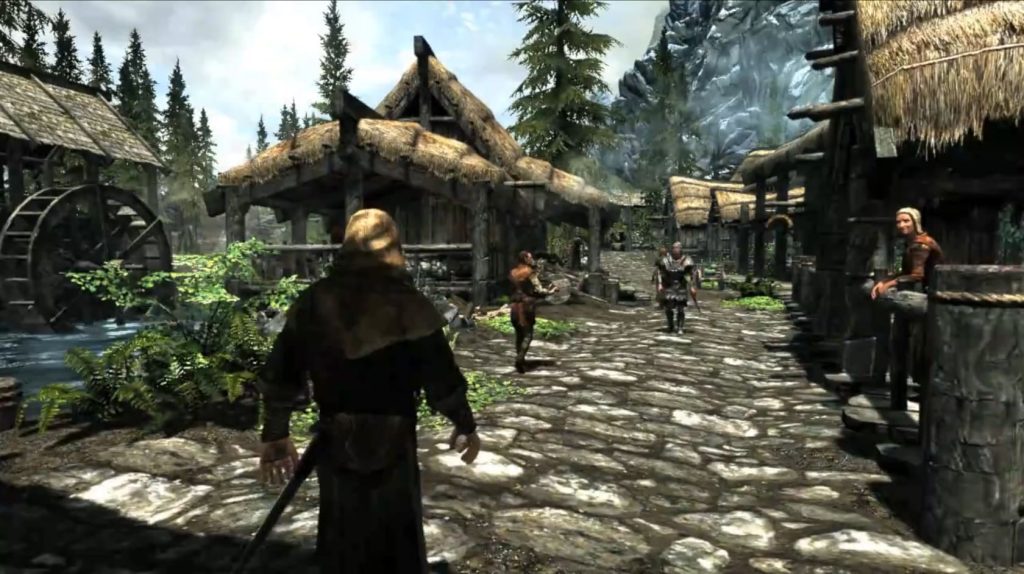
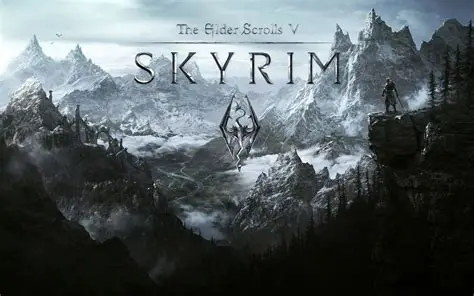
Skyrim (2011), set in the frozen north of Tamriel, is the most visually stunning and atmospheric of the three. Its snow-capped mountains, ancient ruins, and Viking-inspired culture create a rugged, epic feel. Random encounters, dynamic weather, and a sweeping orchestral score all contribute to the sense of adventure. Skyrim’s world feels alive, with dragons soaring overhead and civil war brewing in the land. It’s the easiest game in the series to get lost in, thanks to its intuitive controls and streamlined interface.
Gameplay and Mechanics
Morrowind is unapologetically old-school. Its combat and leveling systems are complex, with deep customization and a focus on player choice. Spells, weapons, and skills are all governed by dice rolls and stats, rewarding experimentation and patience. There’s little guidance—quest markers are rare, and you’ll need to read journals and pay attention to directions. This approach gives Morrowind a sense of authenticity but can feel overwhelming to new players.
Oblivion modernizes many aspects of gameplay, introducing quest markers and a more forgiving combat system. Skill progression is smoother, and the game is generally more accessible. Its main quest is action-packed, but it also features some of the best side stories in the series—such as the Dark Brotherhood and Thieves Guild quests. Oblivion’s magic system is versatile, and the ability to customize spells adds a layer of creativity to the game.
Skyrim refines the formula even further. Its combat is fluid and engaging, with dual-wielding, shouts, and a perk-based skill system. The menus are user-friendly, and fast travel makes exploration easy. The game’s radiant quest system means there’s always something to do, and its modding community has kept the experience fresh for years. Skyrim’s accessibility and polish make it the most popular entry point for new players. Expect lots of random encounters here!
Story and Roleplaying
Morrowind’s narrative is subtle and open-ended. Rather than pushing players down a specific path, it encourages exploration and personal storytelling. The main quest involves prophecy, ancient gods, and political intrigue, but you’re free to ignore it entirely and forge your own destiny.
Oblivion’s story is grand and urgent, with the fate of the world at stake. The voice acting and cinematic presentation make the main quest memorable, and the game’s guilds offer rich roleplaying opportunities. Oblivion is a great balance of guided narrative and player freedom.
Skyrim’s story is epic, focusing on the return of dragons and the prophesied Dragonborn. The main quest is more streamlined, but the game excels at letting players craft their own tales. Join factions, purchase houses, and become a hero (or villain) on your terms. Skyrim’s open-ended design means you can play however you want, whether you’re hunting dragons or picking pockets in the night.
Opening Characters – Once a prisoner, always a prisoner…
In Morrowind, Oblivion, and Skyrim, the player begins as a prisoner, but each game frames that imprisonment differently to establish its tone. Morrowind opens with the player released from a prison ship after an Imperial pardon, emphasizing bureaucracy and exile rather than guilt, as you are quietly processed and sent into an unfamiliar land with little explanation. In Oblivion, the player is confined to a prison cell that unexpectedly becomes part of a secret escape route for Emperor Uriel Septim VII, transforming imprisonment into a moment of divine coincidence that immediately ties the player to fate and prophecy. Skyrim begins most abruptly, with the player captured while crossing the border and bound for execution alongside other prisoners, creating a sense of injustice and chaos that is only interrupted by the sudden dragon attack. Though all three games start with the player in chains, each uses imprisonment to serve a different narrative purpose: alienation in Morrowind, destiny in Oblivion, and survival amid political turmoil in Skyrim.
These characters also shape how the player understands their role in the world. Morrowind’s opening figure treats you as a tool of the state, reinforcing the game’s slow-burn approach in which your importance must be earned through exploration and interpretation. In Oblivion, the Emperor’s direct faith in you elevates the player instantly, framing the entire journey as a heroic response to a foretold crisis. Skyrim’s opening characters are neither distant officials nor divine monarchs; they are soldiers caught in a civil war, and their casual conversations and shared danger place the player on equal footing from the start. Together, these openings reflect a shift across the series—from alienation, to epic destiny, to immersive immediacy—showing how Bethesda gradually moved toward more personal and cinematic storytelling.
What Makes Each Game Fun and Great?
- Morrowind: Deep lore, unique setting, unmatched freedom. Exploring Vvardenfell feels truly adventurous, and the game rewards curiosity and perseverance. A challenge to survive.
- Oblivion: Balanced gameplay, lively world, memorable quests. The mix of accessibility and depth makes it a standout, and its side stories are some of the series’ best. High on fun factor.
- Skyrim: Stunning visuals, streamlined mechanics, endless replayability. It’s easy to pick up, hard to put down, and offers new surprises even after hundreds of hours. Let’s not forget that you can build and customize homes and have lots of fun companions.
Which Game Should You Play First?
If you’re looking to jump into The Elder Scrolls series today, Skyrim is the recommended starting point. Its polished mechanics, inviting world, and active modding community make it the most accessible and enjoyable for newcomers. If you fall in love with the world and want to dig deeper into lore and complexity, Oblivion and Morrowind are excellent follow-ups. Each offers a unique flavor of adventure, but Skyrim strikes the best balance for modern gamers. So, grab your sword, shout at some dragons, and let your journey begin!
Side note from the blog author:
I’ve played all of these games in both their original releases and their remastered versions. When Morrowind first came out, I promised my friends I would see the main story through to the end—but after a hundred-plus hours of wandering, I had barely touched the actual missions. I was completely absorbed by the new freedom of open-world exploration. When Oblivion was released, I put in several dozen hours and made a real effort to progress the story, but I kept running into obstacles and false starts. I never finished it back then, though I’ve since played the remastered version and am now almost at the end.
All that said, I truly connected with Skyrim. When it launched, I played straight through the main story and then completed every expansion. About a year later, I returned for another full playthrough as a different class. I’m honestly afraid to know the total number of hours I logged. I have countless fond memories—like the dragon attack during my wedding, or the serial killer who came within inches of killing my wife… inches (I saved her!). Yes, even repeatedly climbing the Seven Thousand Steps. 🙂
So, from this gamer’s perspective:
Morrowind — Hundreds of hours spent exploring, never finished the main story. I played mostly as a magic user, so I could summon ghosts and skeletons. It’s my second favorite, largely because it was my introduction to the series and to true open-world gameplay. Feels like a Dark Fantasy.
Oblivion — Roughly a hundred hours across multiple characters and restarts. I progressed the furthest as a magic user here as well, though I always carried a bow. Third favorite, though honestly, it’s nearly tied for second. 🙂
Skyrim — The hours played here easily exceed the combined total of the other two games. My favorite character was an archer/thief, and I loved every moment of sneaking across the land and through towns. (I eventually had to dismiss Lydia—she was about as stealthy as a drunk ogre. Miss you, Lydia. You fought vampires and bears like a champ.) My clear favorite. I might play it again soon!


